
Tesla is the most popular EV car delivered by Engineius
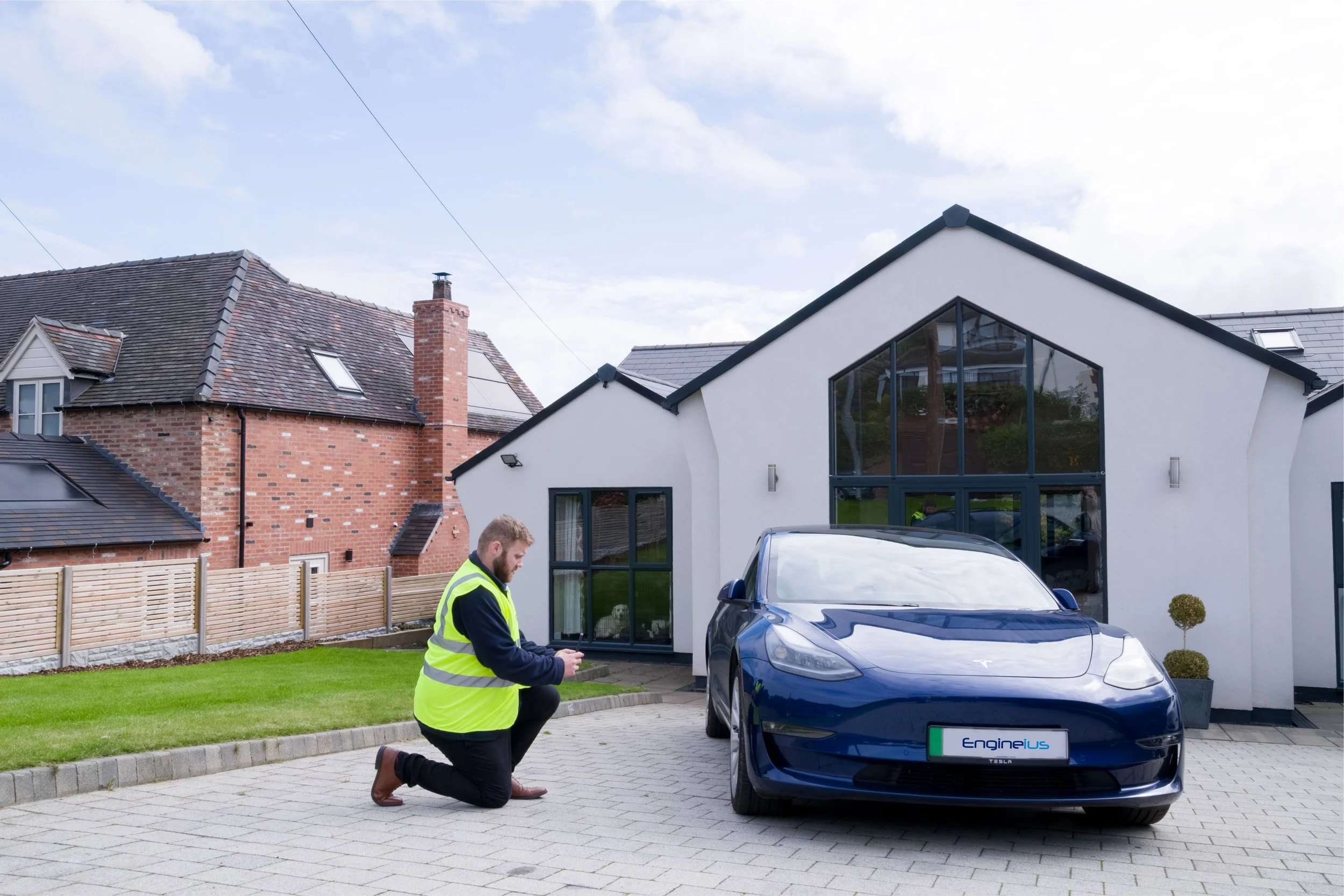
Amongst our fleet and leasing customers, Engineius is seeing a slow increase in the number of EVs delivered, with only an 8% increase over the last 5 years. However, the Tesla Model 3 Long Range leads the way as the EV car most frequently moved by an Engineius driver for the last 2 years.
In second and third place are the Hyundai Kona Ultimate and the Polestar 2, respectively.
For vans, which account for 33% of our total movement volume, it is quite a different picture, with the most popular EV van being the Vauxhall Vivaro E 3100 Dynamic, followed by the Mercedes Esprinter 314 Pro and the Vauxhall Vivaro F3100 Prime EV. Will this be a different picture once the Tesla Robovan is launched?
The UK government announced in the November 2025 Budget the introduction of a new mileage-based road tax for EVs and PHEVs, known as Electric Vehicle Excise Duty (eVED), set to begin in April 2028. This measure is designed to address a looming "revenue hole" in public finances caused by declining fuel duty receipts as drivers switch away from petrol and diesel cars.
From April 2028, EVs will be charged 3p per mile, while plug-in hybrids will pay 1.5p per mile.
In 2025, Engineius drove a total of 12,096,655 miles through vehicle movements in the UK, of which 27% can be attributed to EVs or PHEV vehicles. With the new government plans for pence per mile, charging 3,266,097 miles would make a significant contribution! But the main question is, how is this delivery mileage going to be administered, and most importantly, who fronts the cost?
Even with this new fee, the average EV driver is expected to pay roughly half as much in road-related taxes as the average petrol or diesel driver, with a typical EV driver covering 8,500 miles per year, paying approximately £255 annually in additional tax.
It remains to be seen if the take-up of new EVs from the Chinese market is hampered by the new legislation.